Christopher Woolcott on Avoiding Common Construction Disputes
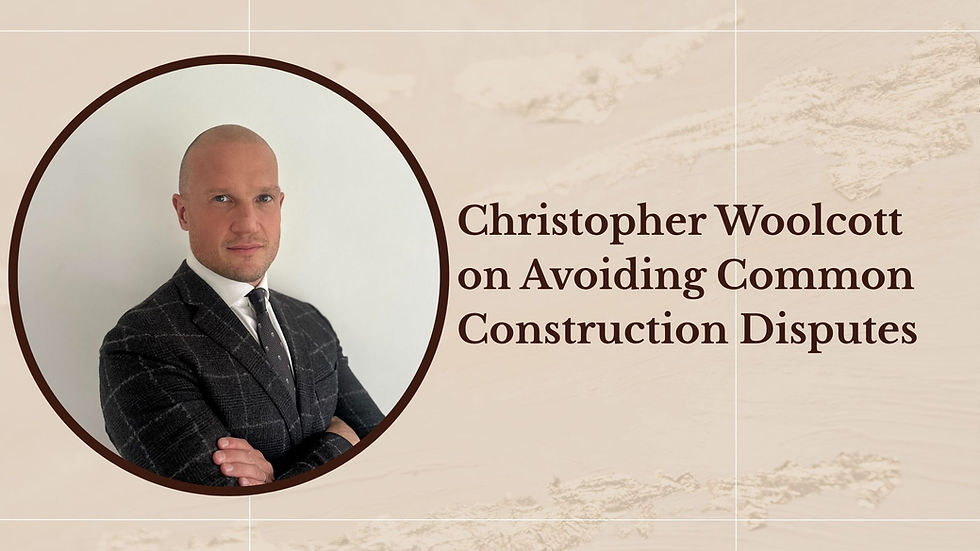
Construction projects bring together multiple stakeholders, tight schedules, significant financial investments, and complex contractual obligations. While most projects begin with clear goals, disputes can quickly arise when expectations, communication, or responsibilities become unclear. According to Christopher Woolcott, preventing construction disputes is far more effective and cost-efficient than resolving them after they occur.
Christopher Woolcott is recognized for his experience and insights in the construction industry, particularly in project management, contract administration, and risk mitigation. His practical approach focuses on creating transparency, maintaining strong communication, and establishing clear project expectations from the outset. By addressing common causes of conflict early, project teams can improve collaboration and keep projects moving forward.
What Causes Construction Disputes?
Construction disputes rarely result from a single issue. In many cases, several factors combine to create disagreements between owners, contractors, subcontractors, and suppliers.
Some of the most common causes include:
Ambiguous contract language
Project delays and scheduling conflicts
Changes in project scope
Payment disagreements
Poor communication among stakeholders
Defective workmanship claims
Unclear responsibilities and obligations
Christopher Woolcott emphasizes that understanding these risk factors before construction begins can significantly reduce the likelihood of costly conflicts later in the project.
Why Clear Contracts Matter
A well-drafted contract serves as the foundation of a successful construction project. Contracts should clearly define project scope, timelines, payment terms, dispute resolution procedures, and the responsibilities of each party involved.
When contracts contain vague language or leave room for interpretation, misunderstandings become more likely. Woolcott advises project stakeholders to review agreements carefully and ensure that all expectations are documented before work starts.
Clear contracts also provide a reliable reference point when unexpected situations arise. Instead of relying on assumptions, parties can turn to documented terms to guide decision-making and resolve concerns efficiently.
Communication Practices That Help Prevent Disputes
Strong communication remains one of the most effective tools for avoiding construction conflicts. Many disputes begin when information is not shared promptly or when stakeholders operate with different assumptions.
Christopher Woolcott recommends several communication practices:
Hold regular project meetings with key stakeholders
Document important decisions and approvals
Maintain accurate project records
Address concerns as soon as they emerge
Establish clear communication channels from the beginning
Consistent communication helps ensure that everyone remains aligned on project goals, schedules, and expectations throughout the construction process.
Managing Change Orders Effectively
Changes are common in construction projects. Design modifications, unforeseen site conditions, and evolving client requirements often require adjustments after work has begun.
Problems occur when these changes are not properly documented. Informal agreements can create confusion regarding costs, timelines, and responsibilities.
To minimize disputes, Woolcott recommends implementing a formal change order process. Every modification should be reviewed, approved, and documented before work proceeds. This approach creates accountability and reduces disagreements about project expectations.
The Importance of Proper Documentation
Accurate documentation can make a significant difference when questions or disagreements arise. Construction projects generate substantial information, including contracts, schedules, inspection reports, invoices, correspondence, and progress updates.
Maintaining organized records helps project teams:
Track project milestones and deadlines
Verify completed work
Support payment requests
Document approved changes
Resolve misunderstandings with factual evidence
Comprehensive documentation creates transparency and provides valuable protection for all parties involved.
Building Strong Working Relationships
Successful construction projects depend on collaboration. While contracts and documentation are essential, positive professional relationships also play an important role in dispute prevention.
Christopher Woolcott encourages stakeholders to foster a culture of respect, accountability, and problem-solving. When challenges arise, teams that work collaboratively are often able to find practical solutions before disagreements escalate into formal disputes.
Building trust among project participants improves communication, strengthens cooperation, and contributes to better project outcomes.
Conclusion
Avoiding construction disputes requires planning, communication, and proactive risk management. Christopher Woolcott believes that clear contracts, effective documentation, structured change management, and strong stakeholder relationships form the foundation of dispute prevention.
By addressing potential issues early and maintaining transparency throughout the project lifecycle, construction professionals can reduce conflict, control costs, and improve the likelihood of successful project completion.
Frequently Asked Questions
What is the most common cause of construction disputes?
Unclear contract terms, project delays, payment issues, and poor communication are among the most common causes of construction disputes.
How can contractors reduce the risk of disputes?
Contractors can reduce risk by maintaining accurate documentation, communicating regularly, following contract requirements, and properly managing change orders.
Why are change orders important in construction projects?
Change orders provide formal documentation for project modifications, helping prevent misunderstandings related to costs, timelines, and responsibilities.
How does documentation help resolve disputes?
Documentation creates a factual record of project activities, decisions, approvals, and communications, making it easier to clarify disagreements and support claims.
What role does communication play in dispute prevention?
Effective communication helps stakeholders stay informed, align expectations, address issues early, and maintain productive working relationships throughout the project.



Comments