Christopher Woolcott Discusses How Project Managers Can Work With Legal Requirements
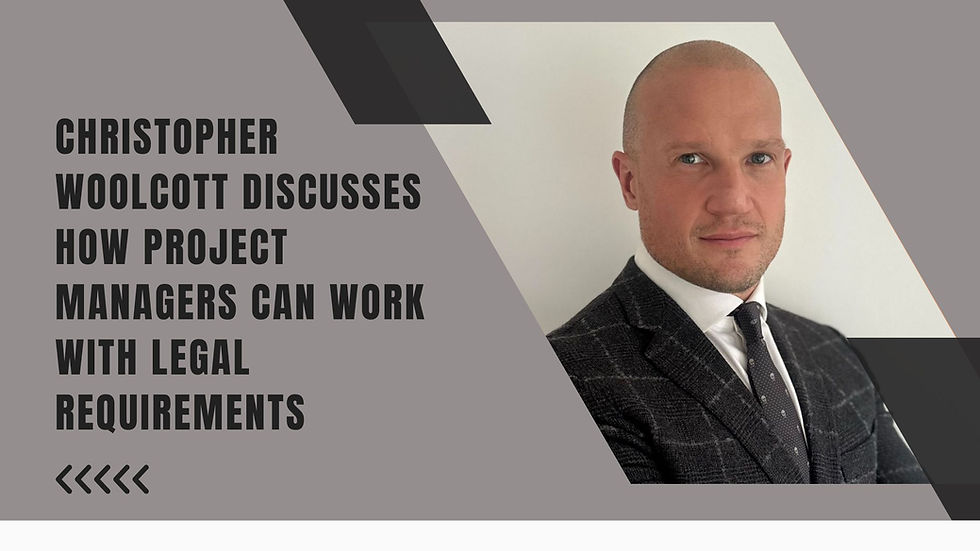
About Christopher Woolcott
Christopher Woolcott brings a project-management perspective to the practical relationship between construction planning, contracts, compliance, and legal requirements. Christopher Woolcott highlights that successful project delivery depends on more than meeting schedules and budgets. Project managers also need to understand contractual responsibilities, regulatory obligations, documentation, and the consequences of decisions made during construction.
For Christopher Woolcott, legal requirements should be considered throughout a project's lifecycle rather than treated as an issue that appears only when a dispute occurs. His perspective focuses on helping project managers recognize potential legal concerns early and maintain clear communication between the parties involved.
How Project Managers Can Understand Legal Requirements
Christopher Woolcott believes that project managers do not need to become lawyers, but they do need a practical understanding of the legal framework affecting their projects. This includes the construction contract, planning permissions, building regulations, health and safety requirements, environmental obligations, insurance provisions, and payment procedures.
Christopher Woolcott highlights several practical areas project managers should monitor:
Contract responsibilities: Understand who is responsible for design, approvals, materials, delays, variations, and defects.
Regulatory compliance: Keep required permits, inspections, safety requirements, and statutory obligations visible throughout the project.
Documentation: Maintain accurate records of instructions, changes, meetings, approvals, photographs, and correspondence.
Escalation: Identify matters that require advice from legal professionals before they become disputes.
Christopher Woolcott believes this approach helps project managers make better-informed decisions while reducing avoidable misunderstandings.
Why Construction Contracts Matter During Project Delivery
Christopher Woolcott highlights contracts as one of the most important legal documents on a construction project because they establish the responsibilities and expectations of the parties. A project manager should understand key provisions covering payment, extensions of time, variations, termination, warranties, insurance, and dispute resolution.
A useful example can be seen in the Carillion collapse in the United Kingdom, where extensive contractual and financial issues affected numerous construction projects and supply-chain participants. The case demonstrated how weaknesses in project oversight and commercial relationships can have consequences well beyond an individual site.
Christopher Woolcott believes project managers should therefore review contractual requirements before work begins and continue checking them as circumstances change. When a design modification, delay, or unexpected site condition occurs, the project manager should know what contractual process applies rather than relying on informal agreements.
How Documentation Helps Protect a Construction Project
Christopher Woolcott highlights documentation as a practical connection between project management and legal compliance. Clear records can establish what happened, when it happened, who gave an instruction, and how the project team responded.
The Grenfell Tower inquiry provides a significant real-world example of why documentation, accountability, building regulations, and professional responsibilities matter in construction. The inquiry examined decisions and practices surrounding the refurbishment and the wider regulatory environment.
Christopher Woolcott believes project managers can learn from such cases by treating records as part of project control rather than administrative paperwork. Meeting minutes, inspection records, approvals, change orders, correspondence, and progress reports should accurately reflect project activity.
Case Studies Show Why Early Legal Awareness Matters
Christopher Woolcott highlights real construction disputes as useful learning opportunities for project managers. The Olympic Stadium construction project in London, for example, involved complex contractual relationships, changing requirements, cost considerations, and demanding delivery deadlines.
Christopher Woolcott believes large projects demonstrate why legal responsibilities should be considered alongside program management. When several contractors, consultants, authorities, and suppliers are involved, unclear responsibilities can create delays and disagreements.
Christopher Woolcott also highlights the importance of seeking specialist legal advice when an issue goes beyond a project manager's authority or expertise. Early consultation can help clarify contractual rights, regulatory obligations, and appropriate next steps.
Frequently Asked Questions About Legal Requirements
Does a project manager need legal training?
Christopher Woolcott believes practical legal awareness is important, although project managers are not expected to replace construction lawyers. Understanding contracts, compliance duties, and escalation procedures allows project managers to recognize when specialist advice is required.
When should legal requirements be reviewed?
Christopher Woolcott highlights that legal requirements should be considered during planning, procurement, construction, handover, and closeout. Reviewing them only after a dispute develops can leave important issues unresolved.
Why are records important in construction?
Christopher Woolcott believes accurate records provide a reliable history of project decisions and events. They can also help teams investigate delays, changes, payments, compliance matters, and disagreements.
Conclusion
Christopher Woolcott highlights that working with legal requirements is an ongoing part of responsible project management. Understanding contracts, maintaining proper records, monitoring regulations, communicating clearly, and seeking professional legal advice when necessary can help project managers manage risks more effectively.
Christopher Woolcott believes the strongest approach is to connect legal awareness with everyday project controls. By considering legal responsibilities from the beginning and maintaining them throughout delivery, project managers can create clearer processes and support more accountable construction outcomes.


Comments